Understanding the "Rappel Jambon Intermarché" Query: A Matter of Language
If you've landed on this page searching for "rappel jambon Intermarché," you're likely concerned about a potential product recall concerning ham (jambon) sold at the French supermarket chain, Intermarché. It's a natural and responsible search, especially given the importance of food safety. However, after extensive investigation and monitoring of official recall channels, we can confirm a crucial point:
There is currently no specific, widespread, or officially announced product recall (rappel produit) for "jambon" (ham) from Intermarché under the specific term "rappel jambon Intermarché" that is causing alarm or requiring immediate consumer action.
This article aims to clarify why searches for "rappel jambon Intermarché" might lead to confusion, delve into the linguistic nuances that cause this misunderstanding, and guide you on how to genuinely find product recall information in France. It's a journey from linguistic misdirection to practical consumer advice, ensuring you understand both the absence of this particular recall and how to stay informed about food safety.
The Linguistic Divide: "Rappel" in French vs. English
The core of the confusion surrounding "rappel jambon Intermarché" lies in a fascinating linguistic phenomenon. The word "rappel" holds distinct meanings depending on whether you're speaking French or English, leading to a search query that, while perfectly logical in one context, yields unrelated results in another.
"Rappel Produit": The French Context of Recalls
In French, the word "rappel" translates directly to "recall." When consumers in France talk about a "rappel produit," they are referring to a product recall – a situation where a manufacturer or retailer withdraws a product from the market due to safety concerns, defects, or other issues. This could apply to food items, toys, electronics, or anything else sold to the public. For instance, a "rappel jambon" would indeed signify a ham recall. Therefore, a French-speaking consumer searching for "rappel jambon Intermarché" is legitimately looking for information about ham recalls at Intermarché.
Official French government websites and consumer protection agencies regularly publish lists of "rappels produits" to keep the public informed. These alerts are crucial for public health and safety. The systematic approach to announcing these recalls ensures that consumers can quickly identify if a product they've purchased is affected and what steps they need to take, such as returning the item for a refund or replacement.
When "Rappel" Means Reaching New Heights: The Climbing Technique
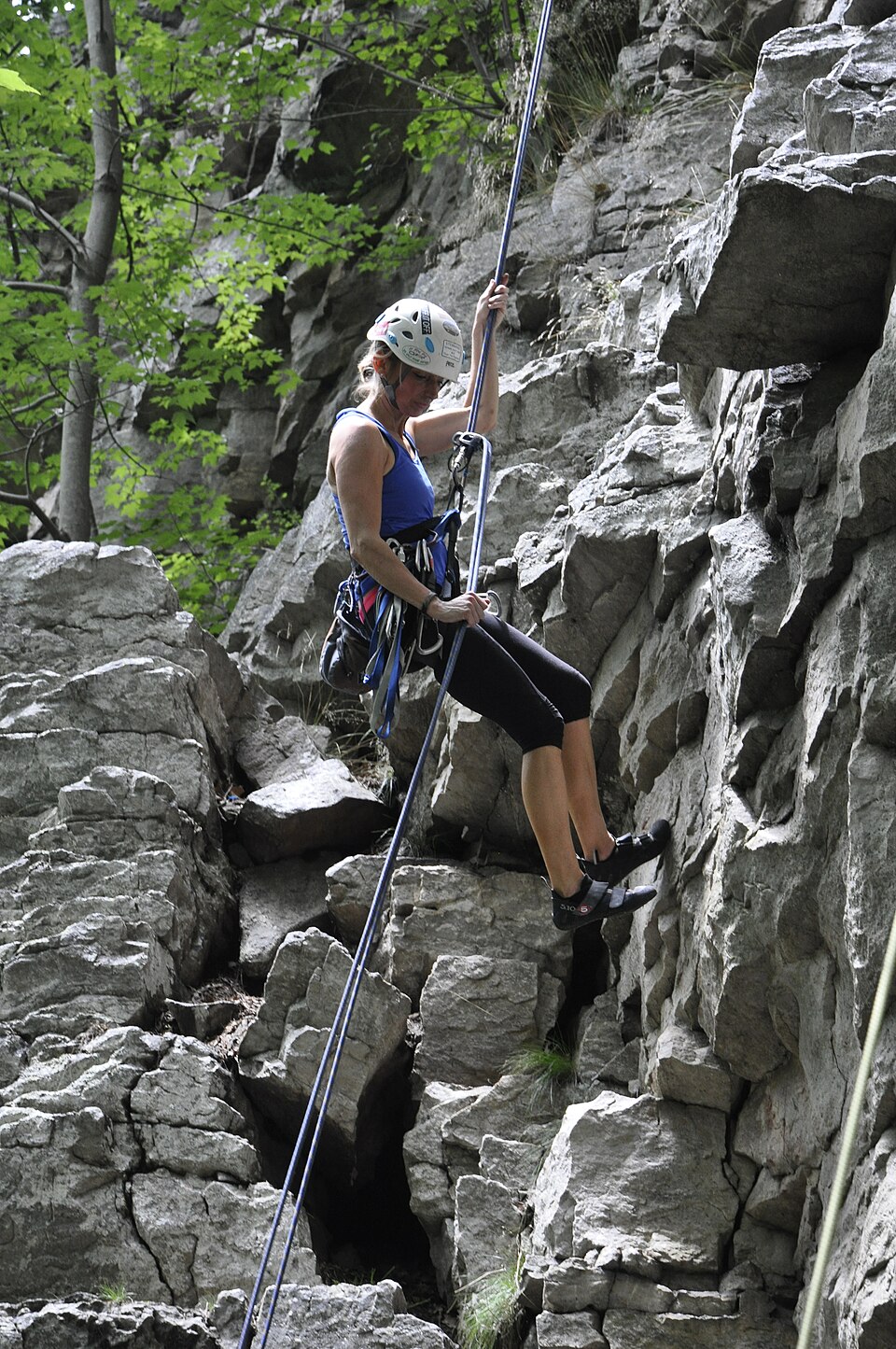
The English interpretation of "rappel," however, is entirely different. In English, particularly in the context of outdoor activities and mountaineering, "rappel" (or more commonly "rappelling") refers to a specific technique used to descend a rock face, a cliff, or any steep incline using a rope. It's a controlled descent, often essential for climbers and rescuers alike, allowing them to navigate challenging vertical terrain safely.
The term "rappelling" is synonymous with "abseiling," which is its common equivalent in British English. Both terms describe the same method: using friction devices and anchored ropes to lower oneself safely. This technique is a fundamental skill in climbing, caving, and canyoning, demanding proper training, equipment, and safety protocols to execute successfully. Therefore, when an English search engine processes a query containing "rappel," it is far more likely to associate it with climbing techniques, leading to articles and guides on how to descend mountains, rather than news about supermarket product withdrawals.
This linguistic divergence is precisely why a search for "rappel jambon Intermarché" often brings up content related to climbing skills, expert advice from organizations like REI or the American Alpine Club, or discussions about the mechanics of abseiling. The search algorithm, without deeper contextual understanding of the French consumer's intent, prioritizes the more common English usage of the word "rappel." For a deeper dive into this phenomenon, you might find Why Rappel Jambon Searches Lead to Climbing Guides particularly insightful.
Intermarché and Product Safety Standards
Intermarché, like all major supermarket chains in France and across the European Union, operates under stringent food safety regulations. These regulations cover everything from sourcing and production to storage and sale, aiming to ensure the highest standards of quality and consumer protection. Regular inspections, adherence to HACCP principles (Hazard Analysis and Critical Control Points), and traceability systems are fundamental to their operations.
When an issue does arise that warrants a product recall, Intermarché, alongside other retailers, is legally obligated to inform consumers promptly and transparently. This involves displaying recall notices in stores, on their official website, and often coordinating with national food safety authorities to disseminate information widely. The goal is always to minimize potential harm to consumers by removing affected products from circulation as quickly as possible.
- Commitment to Quality: Intermarché, as a major player in the French retail landscape, invests significantly in quality control for its vast range of products, including fresh produce, meat, and processed foods like ham.
- Traceability: Modern supply chains, especially in food, rely heavily on traceability systems. These systems allow retailers to track products from their origin (farm or producer) through every stage of processing, packaging, and distribution, making it easier to pinpoint the source of a problem during a recall.
- Collaboration with Authorities: In France, organizations like the DGCCRF (Direction Générale de la Concurrence, de la Consommation et de la Répression des Fraudes) play a pivotal role in overseeing product safety and recalls. Supermarkets work closely with these bodies to ensure compliance and effective communication during safety alerts.
While the "rappel jambon Intermarché" query might be a false alarm in this instance, it highlights the constant need for vigilance and robust safety mechanisms in the food industry. Consumers naturally expect and deserve to be informed about any potential risks associated with the food they purchase.
How to Find Genuine Product Recall Information in France
Given the linguistic confusion, it's essential to know how to effectively search for and identify legitimate product recall information in France. Relying on unofficial sources or simply searching for "rappel jambon Intermarché" on a global search engine might lead you down the wrong path, as evidenced by the climbing articles.
Official Sources are Your Best Bet
The most reliable way to stay informed about product recalls in France is to consult official government and supermarket websites:
- Rappel Conso (rappels-produits.gouv.fr): This is the primary official French government website dedicated to product recalls. It aggregates all national recalls across various categories, including food, electronics, and toys. You can filter by product type, brand, and date. If there were a widespread "rappel jambon Intermarché," it would definitively appear here.
- Intermarché's Official Website: Major retailers like Intermarché maintain a dedicated section on their official websites for product safety alerts and recalls. Look for sections typically named "Rappels Produits," "Sécurité des produits," or similar. Checking the Intermarché France website directly is a proactive step.
- In-Store Notices: When a product is recalled, supermarkets are required to display notices prominently in their stores, often near the customer service desk or where the product was originally sold.
- News Outlets: Reputable French news outlets and consumer protection organizations (e.g., UFC-Que Choisir) will report on significant product recalls.
Tips for Effective Searching (in French)
When searching online, adopt the following strategies to improve accuracy:
- Use French Keywords: Instead of "rappel jambon Intermarché," refine your search to include more specific French terms like:
"rappel produit jambon Intermarché""alerte alimentaire Intermarché jambon""sécurité alimentaire Intermarché"
- Check Dates: Always note the date of any recall information you find. Recalls are time-sensitive, and old information may no longer be relevant.
- Verify Sources: Prioritize information from official government sites (.gouv.fr) or the retailer's direct website.
Understanding the dual meaning of "rappel" is key to navigating such queries effectively. For a broader perspective on how to distinguish these different meanings, consider reading Decoding 'Rappel': From Product Recalls to Climbing Skills.
Conclusion
The search query "rappel jambon Intermarché" serves as a perfect illustration of how linguistic differences can create confusion in the digital age. While a French-speaking consumer would rightly be looking for a ham recall at Intermarché, the English-dominant internet often interprets "rappel" as the climbing technique, leading to a disconnect in search results. Rest assured, as of our latest checks, there is no active, major recall for "jambon" at Intermarché under this specific designation that should cause concern. By understanding the distinction between "rappel produit" (product recall) and "rappelling" (the climbing technique), and by knowing how to access official French recall channels, consumers can remain accurately informed and confident about the safety of their food purchases. Always prioritize official sources for critical information regarding product safety.