The Curious Case of "Rappel Jambon Intermarché" Searches
The term "rappel" holds a fascinating linguistic duality, often leading to confusion, particularly for those navigating the nuances of French and English. In the world of product safety, especially across Europe, a "rappel produit" or simply "rappel" in French translates directly to a "product recall" or "reminder" in English. This is the context in which one might logically search for "rappel jambon Intermarché" – expecting to find information about a potential food recall concerning ham sold by the French supermarket chain, Intermarché.
Indeed, vigilant consumers are right to be concerned about food safety. Regular checks for recalls are a responsible practice. However, despite the prevalence of searches for phrases like "rappel jambon Intermarché," it's important to clarify that our extensive research, and the information available through standard recall databases and industry news, indicates no widespread or officially reported product recall for ham (jambon) from Intermarché under this specific nomenclature that would align with a major public safety alert. While localized or minor issues can occur without widespread notice, a significant "rappel" affecting "jambon Intermarché" has not been a prominent topic in food safety news. Therefore, individuals searching for this specific recall may be experiencing a linguistic misunderstanding or seeking information on a very specific, perhaps isolated, incident not publicly flagged as a large-scale recall.
This situation perfectly encapsulates the challenge: a search term deeply rooted in one linguistic context (French for recall) collides with an entirely different, albeit equally valid, meaning of the word "rappel" in another context: the thrilling world of climbing and mountaineering.
Rappel as a Lifesaving Climbing Technique: A Descent into Skill
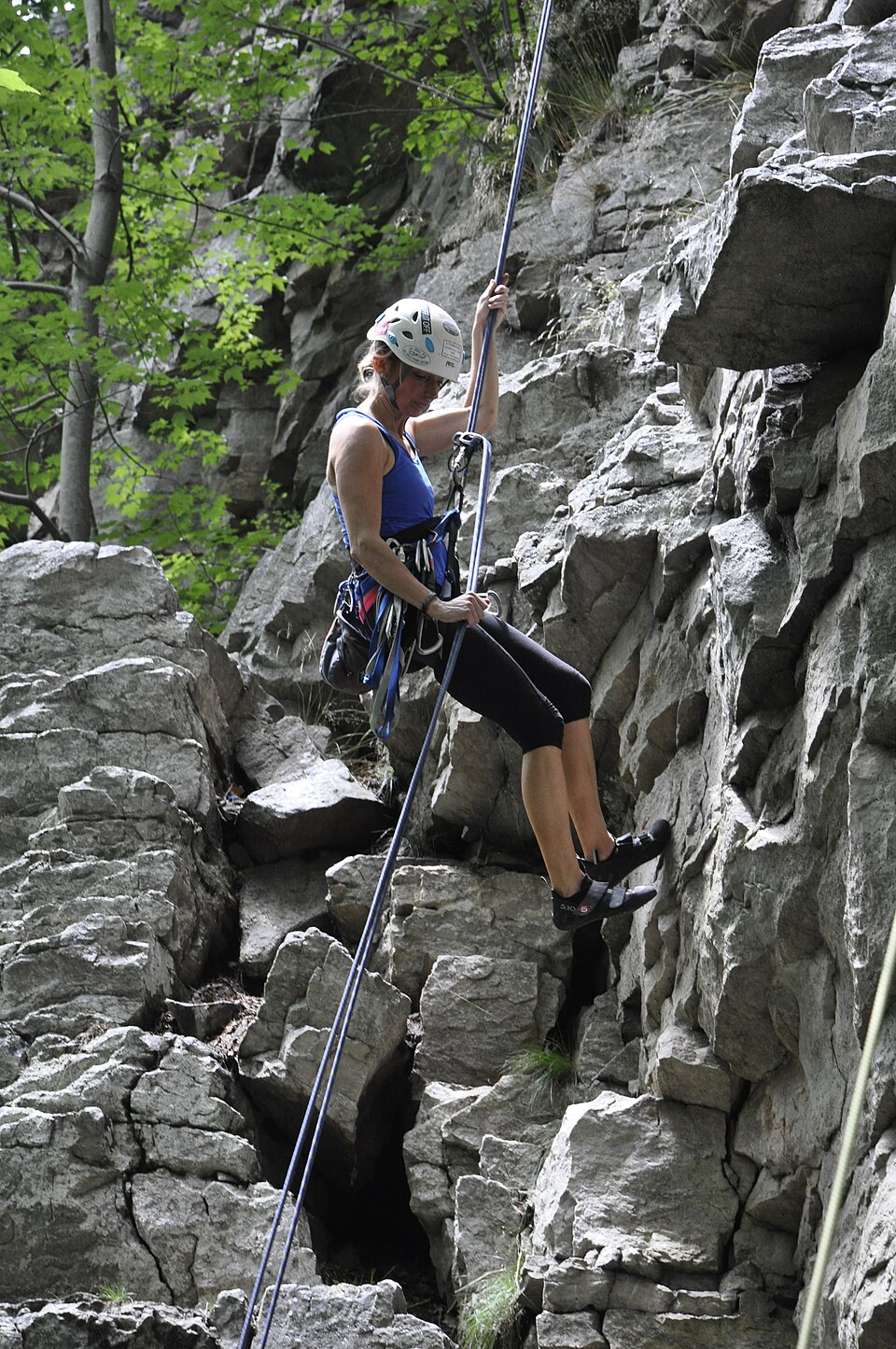
Leaving behind the realm of potential product recalls, "rappel" (also known as abseiling, particularly in British English) takes on a dramatically different, yet equally crucial, meaning. In climbing, canyoneering, caving, and even rescue operations, rappelling refers to the controlled descent down a rope using a friction device. It’s a fundamental skill for anyone venturing into vertical environments, allowing climbers to safely return to the ground, descend into canyons, or navigate complex terrain where downclimbing is too risky or impossible.
Mastering the rappel isn't just about going down a rope; it's about precision, trust in your gear, and an unwavering adherence to safety protocols. A successful rappel embodies the culmination of technical knowledge, physical control, and mental fortitude. It transforms what could be a perilous drop into a methodical, controlled journey.
The Fundamentals of a Safe Rappel
At its core, rappelling involves a carefully orchestrated system designed to manage gravity. This system relies on:
- Ropes: Static or dynamic climbing ropes, specifically rated for strength and durability.
- Anchors: Secure points in the rock, tree, or structure to which the rope is attached. These must be absolutely bombproof.
- Harness: Worn by the rappeller, providing a secure connection point to the system.
- Belay/Rappel Device: A friction device (e.g., ATC, figure-8, Reverso) that allows the user to control the speed of their descent by increasing or decreasing friction on the rope.
- Safety Knots & Backups: Essential for securing the system, preventing slips, and providing redundancy.
Historically, early forms of rappelling involved simply wrapping ropes around the body, a highly dangerous and painful method. The evolution of rappelling gear, from the invention of the figure-8 descender to more advanced self-braking devices, has dramatically enhanced safety and efficiency, making the sport accessible to a broader range of adventurers while maintaining its inherent challenges.
Essential Rappel Equipment
To embark on a rappel, a specific set of gear is indispensable. Each item plays a critical role in ensuring safety and control:
- Climbing Harness: Designed for comfort and security, distributing weight evenly and providing a strong loop for attaching the rappel device.
- Rappel Device (e.g., ATC, Figure-8, Grigri): This is the heart of your friction system. Different devices offer varying levels of friction and control, with some, like the Grigri, offering assisted braking features for added security.
- Locking Carabiners: Several are needed – to connect your rappel device to your harness, and potentially for anchors or personal anchor systems (PAS). Only use load-rated climbing carabiners that lock.
- Climbing Rope: Appropriate length and type (static for rappelling is often preferred for less stretch, but dynamic ropes are commonly used by climbers for both ascent and descent). Always verify the rope's condition and history.
- Helmet: Non-negotiable for protecting against falling debris, rockfall, or impacts from swinging into the rock face.
- Gloves: Protect your hands from rope burn and offer a better grip, especially on longer descents.
- Prusik Cord/Autoblock: A piece of accessory cord tied into a friction hitch, acting as a third hand or backup brake below your rappel device. Absolutely critical for safety.
- Webbing or Cordelette: For building or reinforcing anchors, or for creating a personal anchor system.
Tip: Always inspect your gear before and after every use. Look for wear, fraying, cracks, or any damage that could compromise its integrity. Your life depends on it.
Mastering the Descent: Techniques and Safety Protocols
Rappelling is a skill that requires practice and proper instruction. Never attempt it without qualified training. Even experienced climbers always follow meticulous safety checks.
Setting Up Your Rappel
- Inspect and Build the Anchor: This is arguably the most critical step. The anchor must be absolutely bombproof, often comprising two or more redundant points connected by webbing or cord. Visually inspect all components – bolts, chains, trees, rocks – for integrity.
- Load the Rope: Pass the rope through the anchor. Ensure the rope ends reach the ground (or the next anchor) and are tied with stopper knots to prevent rappelling off the end.
- Attach Rappel Device: Connect your rappel device to your harness's belay loop with a locking carabiner. Double-check that the carabiner is locked and the device is loaded correctly according to the manufacturer's instructions for the specific rope diameter.
- Set Up Backup (Autoblock/Prusik): Tie an autoblock hitch around both strands of the rope below your rappel device and attach it to your leg loop or harness with another locking carabiner. This acts as a hands-free brake if you lose control.
- Perform a Buddy Check (if with a partner): Before committing to the rappel, a partner should check your setup, and you theirs. Verify harness, rappel device, carabiners, knots, and backup.
Redundancy is key in all aspects of climbing, and especially rappelling. Never rely on a single point of failure.
During the Descent
- Body Position: Maintain a stable, upright stance with your feet shoulder-width apart, perpendicular to the rock face. Keep your knees slightly bent and use your feet to push off the wall.
- Hand Placement: Your brake hand (dominant hand) controls the rope exiting the rappel device. Keep it on the rope, ready to apply friction. Your guide hand (non-dominant) can be placed higher on the rope for stability or used to manage loose rope.
- Control Speed: Adjust the amount of friction applied by your brake hand. A smooth, consistent descent is ideal. Avoid jerky movements.
- Communication: If rappelling with others, use clear commands (e.g., "On rappel," "Rappel off") to ensure everyone knows your status.
- Obstacle Management: Watch for rope snags, loose rocks, or tricky sections of the wall. Adjust your body position and speed accordingly.
Common Rappelling Pitfalls and How to Avoid Them
- Rappelling Off the End of the Rope: This is a fatal mistake. Always tie stopper knots in the ends of your rope. Double-check they reach the ground.
- Improper Device Loading: Incorrectly loading your rappel device can render it ineffective. Always double-check and have a partner check.
- Anchor Failure: A weak or poorly constructed anchor is a recipe for disaster. Always build redundant, bomber anchors and inspect them thoroughly.
- Losing Control/Slipping: Fatigue, inexperience, or distraction can lead to losing grip. An autoblock hitch is designed to mitigate this risk by engaging automatically.
- Rope Getting Stuck: When retrieving the rope, it can get snagged. Plan your rope pull before you rappel and use a smooth, controlled retrieval method.
- No Backup: Rappelling without an autoblock or another form of backup is incredibly risky and goes against best practices.
Insight: The best way to mitigate these risks is through professional instruction and consistent practice in a controlled environment. Seek out certified climbing guides or accredited organizations for your initial training.
Why Your "Jambon Rappel" Search Leads to Mountain Peaks
The journey from searching for "rappel jambon Intermarché" to encountering guides on climbing techniques is a perfect illustration of how language and search engine algorithms interact. As we've explored, in French, "rappel" signifies a recall or reminder. In English, however, the term "rappel" (or "rappelling") is almost exclusively associated with the controlled descent in climbing.
When you type "rappel" into a search engine that primarily operates in English or interprets intent through an English lens, the overwhelming majority of results will point towards the climbing definition. Even adding "jambon" and "Intermarché" might not be enough to override this dominant association, especially if there's no widely reported news of a specific food recall. This is why you might find yourself reading about carabiners and anchors when you were expecting to see product safety warnings. This phenomenon is further elaborated in our article: Why Rappel Jambon Searches Lead to Climbing Guides.
Search engines strive to provide the most relevant results based on global search trends and linguistic patterns. Given the global popularity of climbing and the specific, technical nature of "rappel" in that context, it naturally dominates the search landscape for the term. For those specifically seeking French product recall information, adding terms like "rappel produit," "alerte produit," or even searching directly on official French government recall websites (like Rappel Conso) would yield more accurate results.
Conclusion
The word "rappel" truly showcases the rich tapestry of language, presenting two vastly different meanings depending on its linguistic context. While a "rappel jambon Intermarché" might lead consumers to expect crucial food safety information, the lack of widespread official reports means such searches often lead to a fascinating diversion into the world of vertical adventure. Here, "rappel" is a verb, a skill, and a cornerstone of safe mountaineering, demanding respect, precision, and the right equipment. Whether you're a consumer diligently checking for product recalls or an aspiring climber seeking to master the descent, understanding the nuanced meanings of words like "rappel" enriches our knowledge and guides us toward the information we truly seek.